Why is untreated water damage a problem?
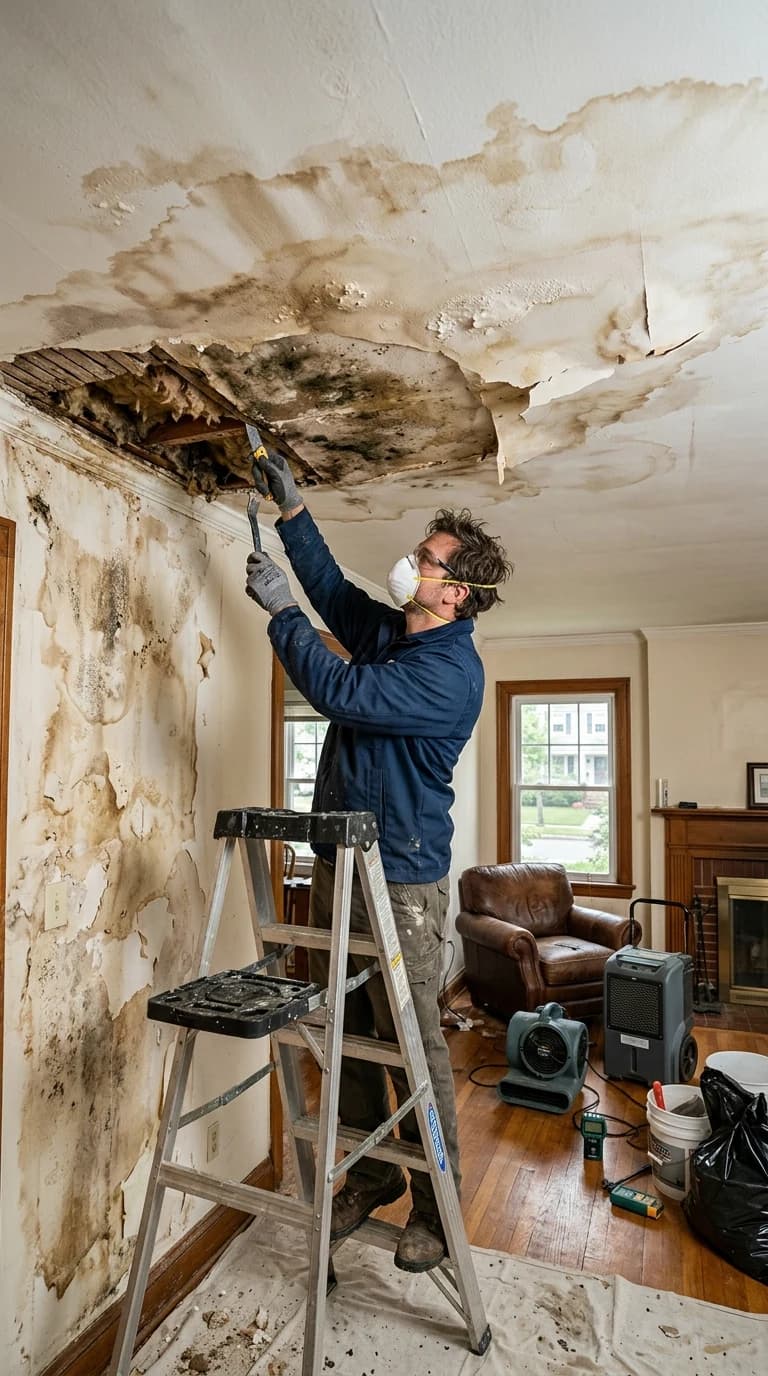
When water damage is left untreated, it can lead to structural issues and health risks. Over time, water can weaken the foundation of your home, causing walls to crumble and ceilings to sag. This structural weakness can escalate into more severe problems, such as foundation shifts or even collapse in extreme cases. Additionally, the aesthetic damage, like peeling paint and stained walls, can be unsightly and diminish the comfort and appearance of your living space. Moreover, stagnant water can become a breeding ground for mold and bacteria, posing health risks to residents. The moisture can seep into wooden structures, causing them to rot, which not only impacts the integrity of the building but also attracts pests like termites. In Ridgewood, where weather can be unpredictable, untreated water damage can exacerbate these issues, especially after heavy rains or snowfall. The risk of flooding or ice dams can further complicate water damage, making it essential to address any water intrusion promptly.
What health risks are associated with water damage?
The presence of mold and mildew in homes with untreated water damage can lead to respiratory problems and allergic reactions. Mold thrives in damp environments and can spread quickly, releasing spores that are harmful when inhaled. People with asthma or weakened immune systems are particularly vulnerable, experiencing symptoms like coughing, sneezing, and skin rashes. Prolonged exposure can lead to more severe health issues, such as chronic respiratory conditions and infections. Mold spores can travel through the air, contaminating food and surfaces, which can be especially dangerous in homes with young children or elderly residents. To mitigate these health risks, it's important to address water damage quickly and effectively. Regular inspections and maintenance can prevent small leaks from turning into major problems. If you're dealing with persistent issues, consulting with professionals through our contact page can provide the necessary expertise. Professional water damage restoration services can include thorough mold remediation, ensuring that your home is safe and healthy.
How can untreated water damage affect property value?
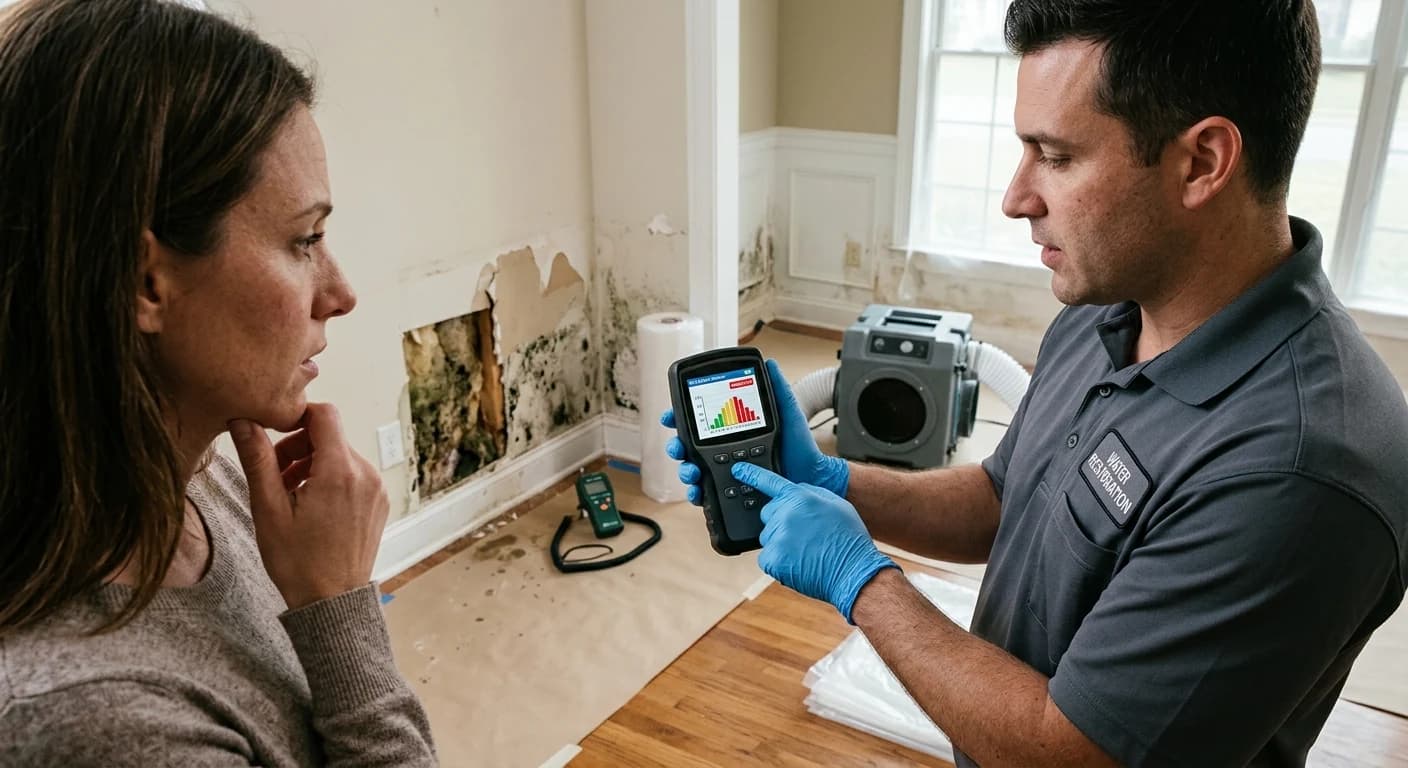
Ignoring water damage can significantly decrease the value of a property. Potential buyers are often wary of homes with water damage history due to potential hidden issues like mold, rot, and structural weaknesses. This can lead to lower offers or difficulty selling the property. Buyers may also request extensive inspections, which could uncover additional costly repairs, further complicating the sale process. Additionally, insurance premiums may increase if water damage is not addressed, as insurers see it as a potential risk. Homes with a history of water damage might be considered higher risk, leading to higher premiums or even denial of coverage. Addressing water damage promptly can protect your home’s value and ensure peace of mind for you and future buyers. Investing in preventive measures, such as proper drainage systems and regular roof inspections, can also help maintain your property's integrity and appeal. In the competitive real estate market of NJ, being proactive about water damage can make a significant difference in maintaining and increasing your home’s marketability.
What are the financial implications of untreated water damage?
Leaving water damage unaddressed can lead to significant financial burdens over time. Initially, you might think you're saving money by avoiding immediate repairs, but the costs can compound rapidly. As water seeps into your home's structure, it can cause hidden damage that isn't immediately visible, such as weakening of beams, deterioration of drywall, and electrical system failures. These issues can escalate, leading to major repair bills that far exceed the cost of early intervention. Furthermore, if mold develops, remediation can be both complex and expensive, often requiring specialized services to ensure complete removal. Insurance policies may not cover damage that results from neglect or lack of maintenance, leaving homeowners to shoulder the full cost of repairs. Additionally, if you rent out your property, untreated water damage can lead to tenant dissatisfaction and potential legal disputes, further straining your finances. To mitigate these risks, it's crucial to have a proactive maintenance plan that includes regular inspections and prompt attention to any signs of water intrusion. Investing in quality repairs and preventive measures can save you money in the long run and preserve the value of your property.
What steps can homeowners take to prevent water damage?
Preventing water damage requires a combination of regular maintenance and strategic home improvements. Start by inspecting your roof, gutters, and downspouts regularly to ensure they are in good condition and free of debris. This helps prevent water from pooling and seeping into your home. Installing a sump pump in basements can also be an effective way to manage excess water, especially during heavy rainfalls. Ensure that your home's grading directs water away from the foundation and consider adding extensions to downspouts if necessary. Inside your home, regularly check for leaks under sinks, around toilets, and near appliances like dishwashers and washing machines. Installing water sensors in areas prone to leaks can provide early warnings of potential problems. Furthermore, consider sealing windows and doors to prevent water ingress during storms. For those living in flood-prone areas, investing in flood barriers or elevating critical systems can provide an additional layer of protection. By taking these proactive steps, homeowners can significantly reduce the risk of water damage, safeguarding both their property and their peace of mind.
How does untreated water damage impact indoor air quality?
Untreated water damage can significantly deteriorate indoor air quality, posing a risk to the health and comfort of a home's occupants. When water damage is not promptly addressed, moisture levels in the home can increase, creating an ideal environment for mold and mildew growth. These fungi release spores into the air, which can be inhaled by residents, leading to respiratory issues, allergies, and other health problems. Additionally, damp conditions can promote the proliferation of dust mites and bacteria, further compromising air quality. The odor associated with mold and mildew can also be unpleasant and difficult to eliminate, affecting the overall ambiance of the home. To improve indoor air quality, it's essential to tackle water damage early by thoroughly drying affected areas and using dehumidifiers to maintain optimal humidity levels. Regularly cleaning HVAC systems and changing air filters can also help reduce airborne contaminants. For severe cases, consulting with a professional water damage restoration service can ensure that all moisture is removed and air quality is restored to safe levels. By taking these actions, homeowners can protect their families' health and maintain a comfortable living environment.
What are the long-term effects of untreated water damage on home infrastructure?
The long-term effects of untreated water damage on home infrastructure can be extensive and costly. Over time, water can penetrate deeply into building materials, causing them to weaken and deteriorate. Wooden beams and supports can become warped or rot, compromising the structural integrity of the home. This can lead to uneven floors, sagging ceilings, and even the risk of collapse in severe cases. Additionally, water can corrode metal components, such as pipes and fasteners, leading to plumbing issues and further structural damage. Electrical systems are also at risk, as water can cause short circuits and increase the likelihood of electrical fires. The presence of moisture can exacerbate these problems, making repairs more challenging and expensive. To prevent these long-term effects, it's crucial to address water damage as soon as it occurs. Regular maintenance, such as inspecting the roof and plumbing systems, can help identify potential issues before they become severe. In NJ, where weather conditions can vary, being vigilant about water damage is particularly important. By investing in timely repairs and preventive measures, homeowners can protect their property's infrastructure and avoid costly future repairs.